
Memory Health
Clinic Brisbane

Memory Health Clinic Brisbane
Helps Adults To Take Control Of Their Memory Health
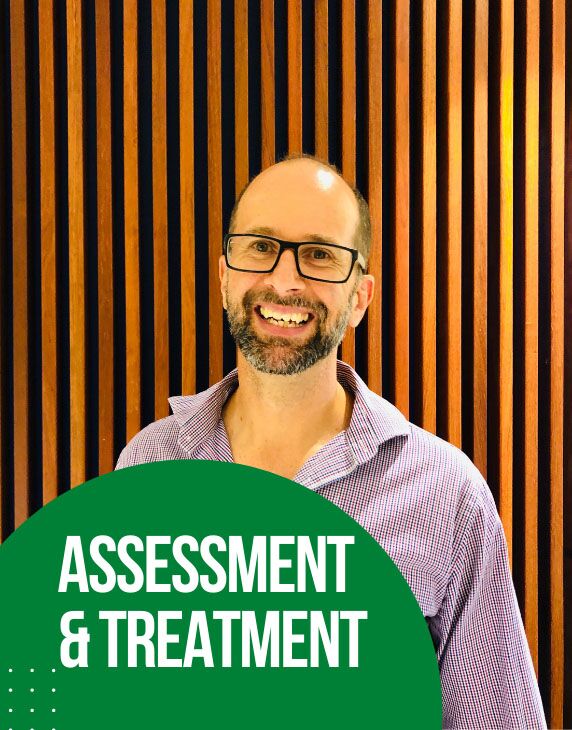
The Memory Health Clinic provides assessment and treatment recommendations for people experiencing neuro-degenerative conditions, acquired brain injury and mild cognitive changes.
Services are also available for people looking to take preventative actions to reduce their personal risks for memory loss.
At the Memory Health Clinic we provide:
- assessment of memory and cognitive decline, dementia assessment
- mobile to the home assessment and management of dementia and related behavioural disturbances
- functional and care needs assessment
- occupational assessment
- education
- assistance in future care planning.
- lifestyle behaviour change education and support programs
Helping People To Manage Their Memory Health
Sure we forget the keys now and then, but if you’ve noticed your memory health has changed and you’d like to do something about it – read on.
The numbers tell the story, in Australia:
- An estimated 290 people each day join the population with dementia
- 1 in 10 people over the age of 65 years have dementia,
- 3 in 10 people over 80 years have dementia. (1)
- Less than 1 in 3 people are expected to talk to their GP for a memory or dementia assessment
There is no cure for dementia so personalised risk management and prevention is where it is at. The good news is personalised brain and memory health actions can reduce the lifetime risk of dementia in 1 in 3 people. (2)
This is covered in further detail in our Free Report. You can download the report here:

The 5 Science Backed Actions To Reduce Your Risk For Dementia
On A Mission To Improve Adult Australians’ Memory Health
Memory changes are a life threatening event
No doubt, you’ve regularly had a heart and blood pressure check ups, skin check ups, a bowel checks, a breast check ups, yep you name it, but, when was the last time you had a memory health check up?
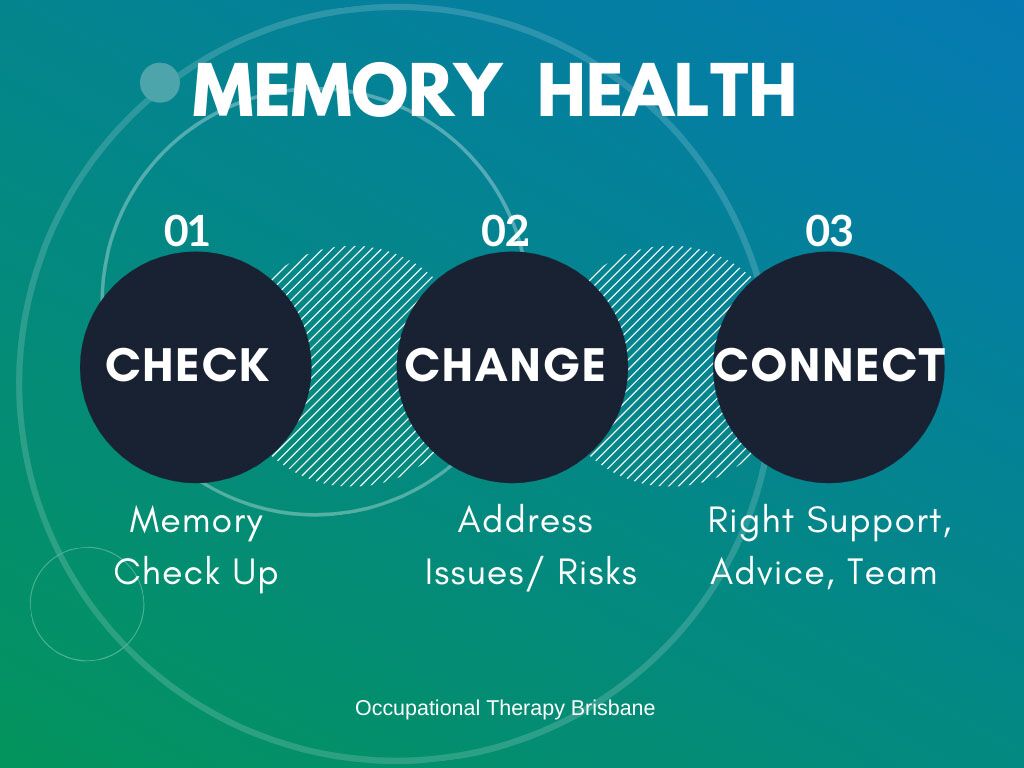
Taking control of your memory health all starts with a Memory Health Check Up.
The Memory Health Check Up is for people, may be like you, who are concerned about their memory health.
Do you need a memory health check up?
Take this test?
- Over the age of 40 years?
- Do you have difficulty or changes in being able to remember words or location of objects?
- Do you have difficulty or changes in remembering conversation points as clearly as you used to?
- Do you have reduced confidence with driving and or every day tasks?
- Do you have difficulty or changes in remembering event details 1 minute, 1 hour, 1 day or 1 week ago?
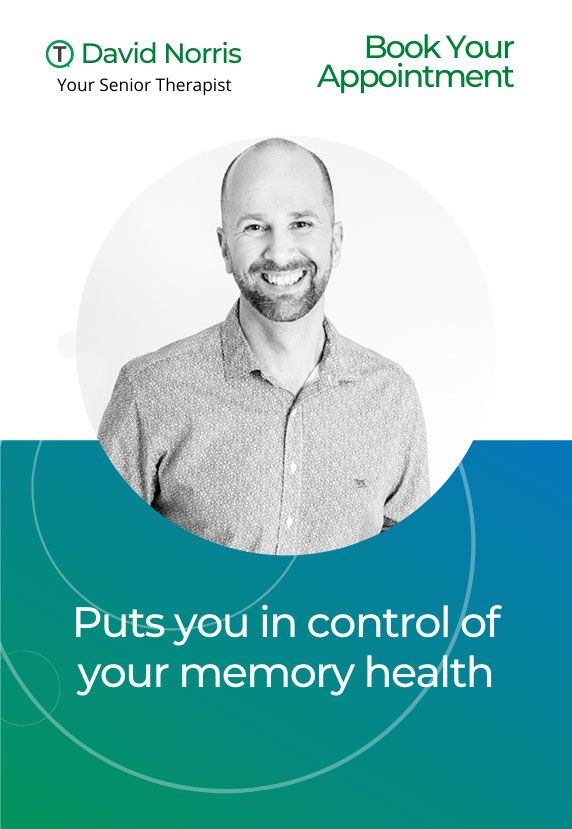
What You Can Expect
- On your first visit we conduct a comprehensive assessment.
- Treatment recommendations with interventions ranging from 2- 4 weeks or longer depending on your goals
The Memory Health Clinic operates on a Tuesday, conveniently located at The Johnson, Spring Hill and we also provided Tele-consultations as well
How Can We Help You?
Please fill out the short form below and tell us how can we best help you? One of our team members will reach out when it comes through.